Lhasa Food Guide
What to eat, where to eat, and how to eat well near Potala Palace. Tibetan classics, hidden tea houses, vegetarian and halal picks, and food safety at altitude.
Updated: August 2026
Must-Try Tibetan Dishes
Built for survival at altitude: calorie-dense, warming, and made from what the plateau provides.
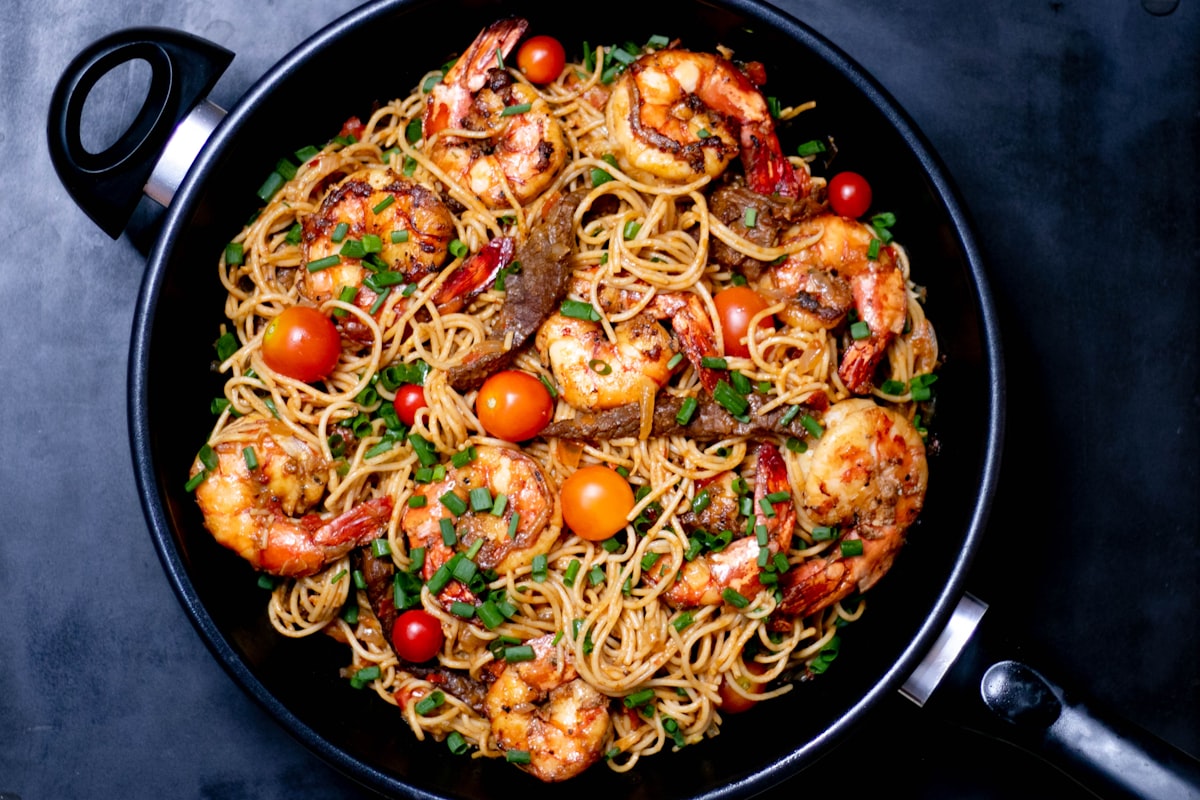
Tsampa 粌粑
Roasted barley flour mixed with yak butter tea, kneaded into dough by hand. Tibet's daily bread for centuries — nutty, earthy, and it grows on you. Eaten with butter and sugar it's genuinely enjoyable.
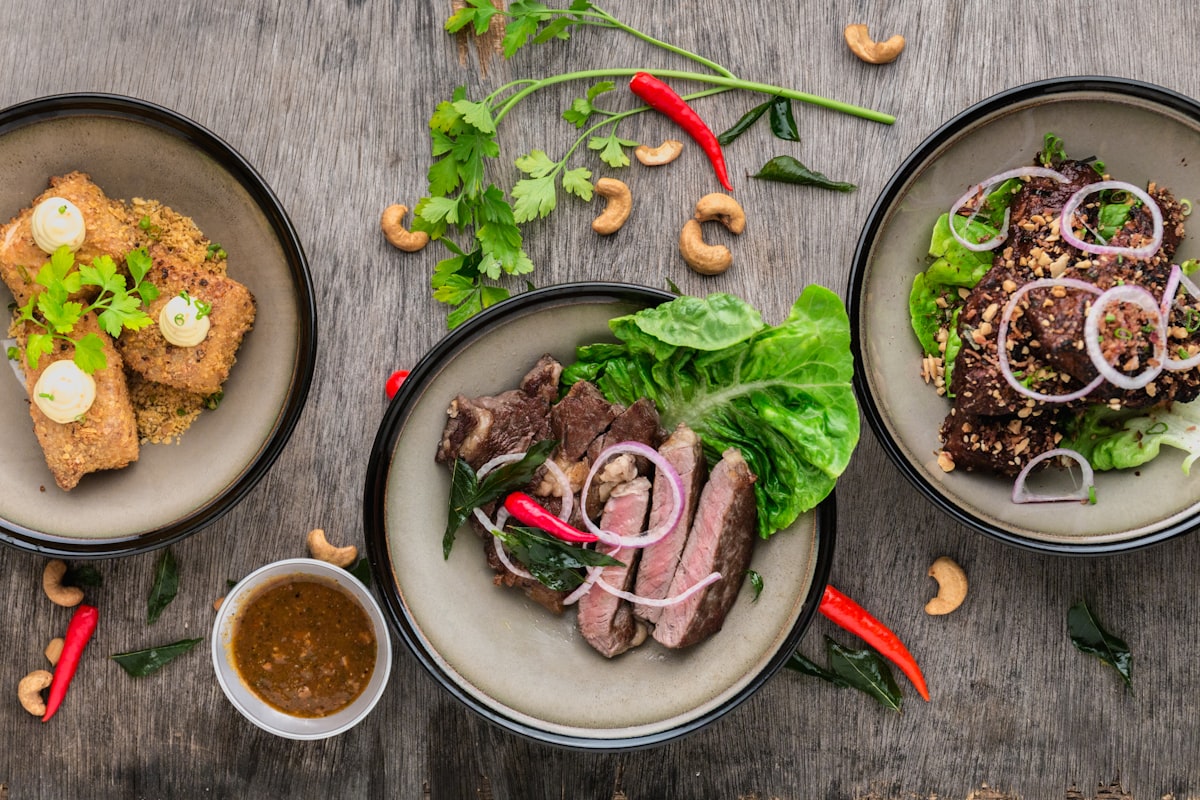
Yak Meat 牦牛肉
Dried yak jerky, yak steak, yak momos, yak noodle soup, yak hotpot. Leaner and slightly sweeter than beef, with a subtle gaminess. The spiced dried jerky strips sold everywhere are addictively chewy.
Momos 藏包子
The most foreigner-friendly dish in Tibet. Steamed or fried dumplings with yak, vegetables, or potato-cheese. Served with fiery Sichuan chili dipping sauce. A plate of 10 costs CNY 15–25 and makes a complete meal.
Thenthuk 藏面片
Irregular hand-pulled wheat noodles in yak-bone broth with vegetables and shredded yak. Tibet's chicken soup — warm, filling, and gentle on the stomach. Every Tibetan restaurant does a version.
Sweet Tea 甜茶
Black tea, milk, and sugar brewed in large aluminum kettles. Served by the thermos. Closer to Hong Kong milk tea — sweet, creamy, completely addictive. A small thermos costs CNY 5–8. Find a tea house and watch Lhasa go by.
Yak Butter Tea 酥油茶
Salty, oily, intensely Tibetan. Churned from yak butter, brick tea, and salt. Most foreigners politely sip and set it aside. But it helps with altitude acclimatization and chapped lips. Try it once — you'll remember it.
Yak Yogurt 酸奶
Thick, tangy, naturally set — closer to Greek yogurt. Served with sugar on the side or mixed with rice and raisins. Street vendors sell it in small clay pots near Barkhor Street. The food travelers miss most after leaving.
Sha Phaley & Balep
Sha phaley: deep-fried bread pocket stuffed with seasoned yak and cabbage — a Tibetan empanada. Plain Tibetan flatbread (balep) is a solid breakfast with yak butter or honey. Both CNY 3–8 each.
Restaurants Near Potala Palace
After three hours of climbing Potala's stairs at 3,700 meters, you will be hungry. Here's where to go.
Stepping Out of the Palace
Lhasa Kitchen
Reliable Tibetan standards in a clean sit-down setting. Momos, thenthuk, yak steak. Ideal for a first Tibetan meal without intimidation.
Potala Tea Houses
Small, unmarked tea houses cluster on Beijing East Road just east of the palace. No English, no menu — point at what others are eating. Sweet tea and momos.
Toward Barkhor Street
Dunya Restaurant
A Lhasa institution. Tibetan, Nepali, and Western food. Yak sizzler, momos, and surprisingly decent pizza. Rooftop with distant Potala views.
House of Shambhala
Potala views from the rooftop terrace. More expensive but the setting justifies it. Book ahead for sunset.
Makye Ame
The most famous restaurant in Lhasa, on the corner of Barkhor Street. Wooden interiors, low ceilings, windows overlooking the circumambulation. Unforgettable atmosphere.
Vegetarian & Vegan
Pure Land Vegetarian
CNY 28 buffetAll-vegetarian near Barkhor. Rotating Tibetan and Chinese dishes. Spartan setting, excellent value, genuinely tasty.
Tianchu Miaoxiang
CNY 60–100Upscale Buddhist vegetarian near Jokhang Temple. Creative mock-meat, beautiful presentation, temple-adjacent atmosphere.
Monastery Halls
Donation-basedSimple vegetarian meals at Jokhang and Sera monasteries. The most culturally authentic vegetarian experience available.
我吃素. Ask if dishes contain yak broth — it sneaks into many "vegetable" soups.Halal Food
Lhasa's Muslim Hui community has been here for centuries. Concentrated around the Lhasa Great Mosque (east of Barkhor).
Hand-Pulled Noodles
CNY 15–25Watch the chef stretch dough into noodles. Lamb or beef broth, fresh vegetables, chili oil.
Lamb Skewers
CNY 3–5 eachGrilled over charcoal, seasoned with cumin and chili. Sizzling, smoky, and served fresh off the grill.
Nang Bread
CNY 2–5Central Asian-style flatbread from tandoor ovens. Perfect for soaking up soups and stews.
Sweet tea is Lhasa's social glue. Find a tea house, order a thermos, and watch the city go by. It's the cheapest and most authentic experience in Tibet.
— Every traveler who spent an afternoon in a Lhasa tea house
Food Safety & Practical Tips
Altitude changes how your body handles food. Here's what to know.
Water Safety
Never drink tap water. Bottled water is CNY 2–3 everywhere. Boil water for 3+ minutes at this altitude — most hotels provide a kettle.
Altitude & Digestion
Digestion slows at altitude. Eat smaller meals more frequently. Avoid massive heavy dinners — they disrupt already-affected sleep.
Altitude Appetite Loss
Many people lose appetite at altitude — normal and temporary. Sweet tea and thenthuk are the go-to foods when nothing else appeals.
Raw Vegetables
Avoid raw salads and unpeeled fruit at street stalls. The water used to wash them may not be safe for foreign stomachs.
Tipping
Not expected or customary in Tibet. Round up the bill if you want, but no one will notice if you don't.
Payment
WeChat Pay and Alipay dominate. Cash (RMB) is accepted everywhere. Set up Alipay TourPass before your trip. Foreign credit cards are rarely accepted.
Spice Caution
Sichuan pepper (ma la) is common in Lhasa. If you're not used to it, start mild. The numbing sensation can be alarming if unexpected.
Food Questions Answered